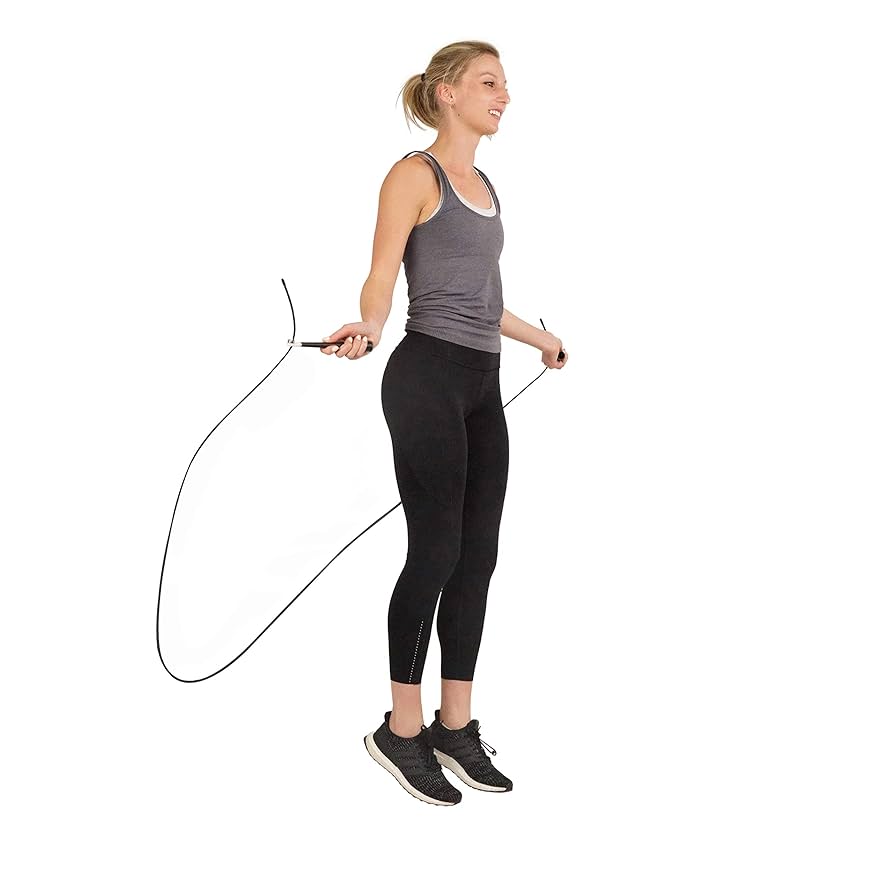
Health Benefits of Jump Rope Workouts
Jump rope training is one of the most efficient forms of cardio exercise, providing a full-body workout in a short amount of time. Just a few minutes of skipping can elevate your heart rate and burn calories quickly, making it an effective tool for weight management. Beyond calorie burn, it strengthens the heart, improves lung capacity, and increases endurance, making it a valuable option for people aiming to improve cardiovascular health.
Another major benefit is the way it enhances coordination and balance. The repeated rhythm of rope jumping forces your body to synchronize movements, improving agility. This is particularly helpful for athletes in sports such as boxing, basketball, or tennis, where quick footwork is key. In addition, it engages multiple muscle groups at once—the calves, quads, hamstrings, shoulders, and core—helping to tone muscles while boosting stamina.
How to Get Started with Jump Rope

For beginners, the key is to start slow and build consistency. Choosing the right rope is the first step. Adjustable ropes are recommended, as they can be tailored to your height. When standing in the middle of the rope, the handles should reach just below your armpits, ensuring a proper fit. Comfortable athletic shoes with good cushioning are also important to reduce the impact on joints.
The best way to begin is with short intervals. Try skipping for 30 seconds, followed by 30 seconds of rest, repeating this cycle for about 5–10 minutes. As you grow more comfortable, gradually increase the duration of active skipping and decrease the rest time. It’s also a good idea to practice proper posture: keep your elbows close to your sides, rotate the rope with your wrists rather than your arms, and land softly on the balls of your feet. This reduces the risk of injury and makes the workout more efficient.
How to Get Better at Jump Rope
Improvement comes with consistency and gradual progression. Once you’re comfortable with the basic bounce, start adding variations to challenge your body. Moves such as the alternate-foot step, high knees, or crisscross jumps add variety and push coordination to the next level. Interval training is another great way to advance—alternate between slow jumps and fast-paced bursts to build endurance and speed.
Pacing yourself is important. Avoid pushing too hard at the beginning, as fatigue and improper form can lead to injury. Instead, focus on steady improvement, adding just a few more minutes to your sessions each week. Stretching before and after your workout helps maintain flexibility and prevents tightness in the calves and shoulders.
Tracking progress is also a great motivator. Record the duration of each session, count the number of jumps without tripping, or time how long you can skip continuously. Over time, you’ll notice improvements in stamina, coordination, and rhythm. Pairing jump rope routines with strength training or other cardio activities can also keep workouts engaging and balanced.
By starting gradually, focusing on proper form, and incorporating variety, jump rope workouts can transform into an enjoyable habit that enhances both physical fitness and overall well-being.


